
Puzzles are not only a great deal of fun, challenging, and an enjoyable way to pass time, but putting together puzzles benefits our brains in numerous ways! For people of all ages. The brain can be so fascinating, as we all know, and learning the many ways in which doing puzzles help our brain health, is really cool. I’m going to tell you the many ways as to how, in just a moment.
(And by the way, I should also let you know that this post has a couple of affiliate links.)
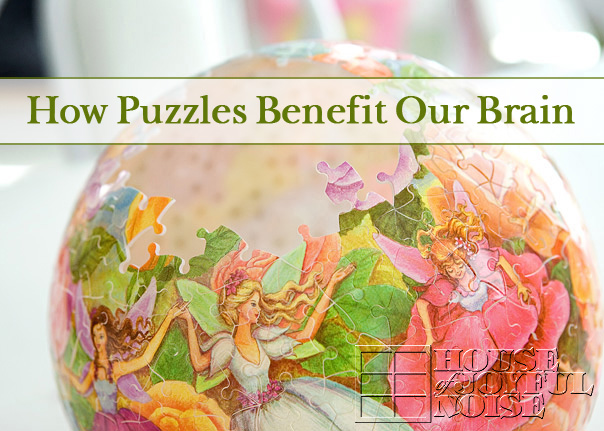
Real quick first though, I wanted to show you a very different kind of puzzle, than we had ever done before.
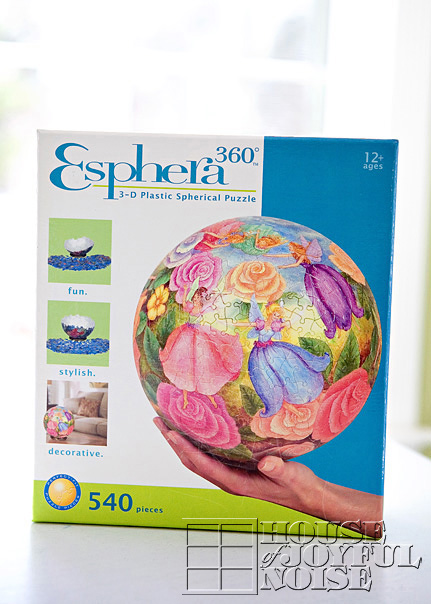
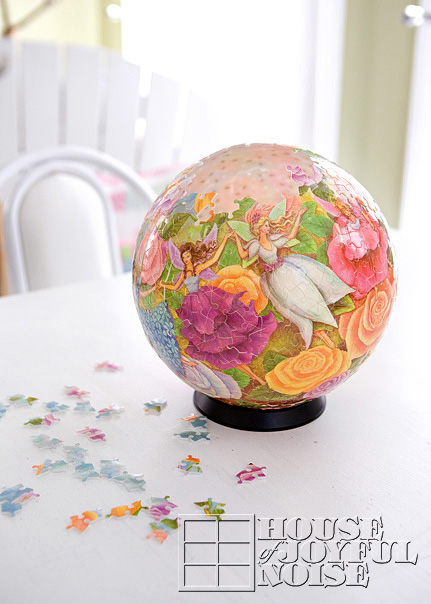
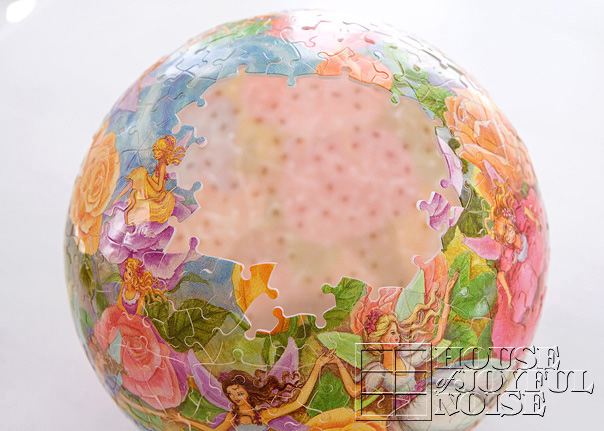
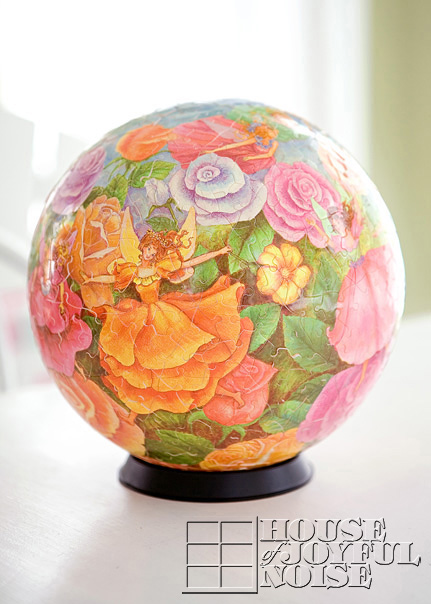
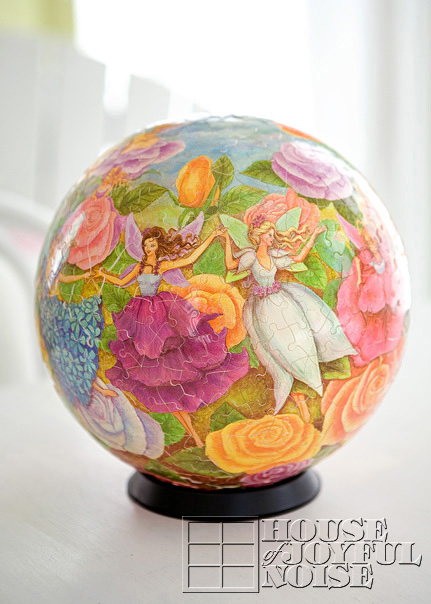
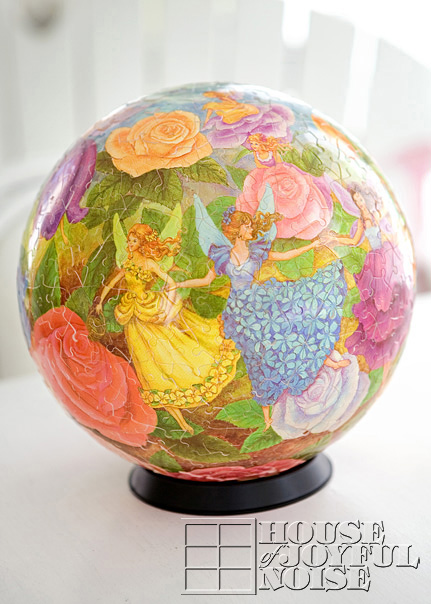
My father had this 540 piece sphere puzzle, and he couldn’t figure it out how to piece it together. So he brought it along when came to visit one weekend, to see if the kids might want to give it a try. It’s a very unique puzzle, in it’s spherical shape, which as you can probably imagine creates new challenges to assemble, as opposed to the more traditional flat table puzzles.
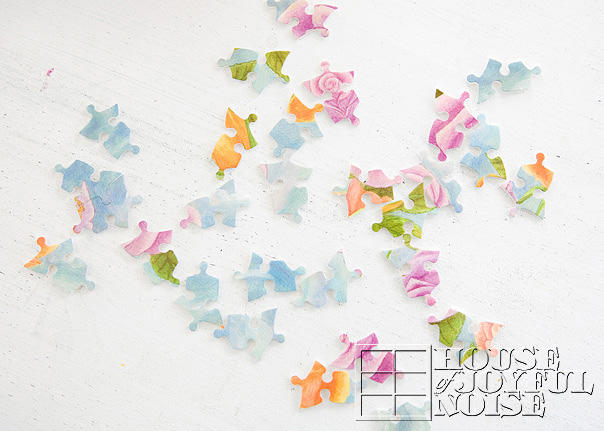
It is a puzzle that is a bit more complicated. At first glance, the pieces look typical of any other puzzle.
However, they are actually plastic pieces, and have a slight curve to them.
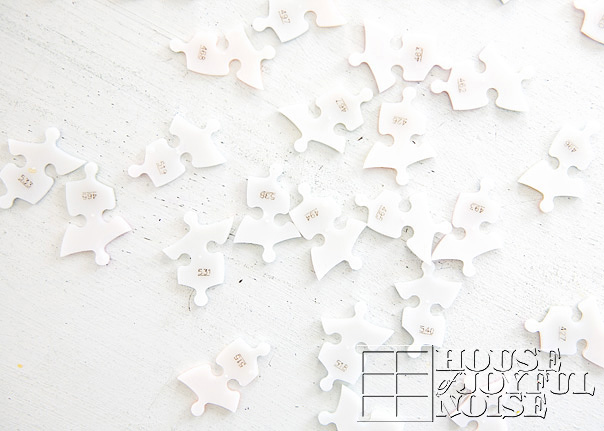 But the backsides are where they really differ. They all have a little number on them, from 1-540, which is of course, how many pieces are part of this puzzle. This is where our 7 year old triplets were able to help the most. They grouped the numbered puzzle pieces into their proper hundreds: 100’s, 200’s, 300’s, 400’s and 500’s. And then got them more so in order from there. Great educational help, from the triplets.
–
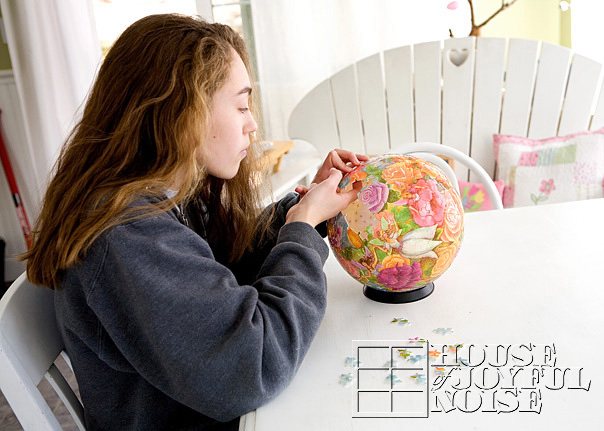 But {A}(12), our oldest, really did most of the puzzle assembly. You would think the numbers on the back of the pieces, really give away quite a bit, as to what pieces go where. But if you think about it, each piece connects to at least 4 others. So number sequence is hardly at play at all times.
–
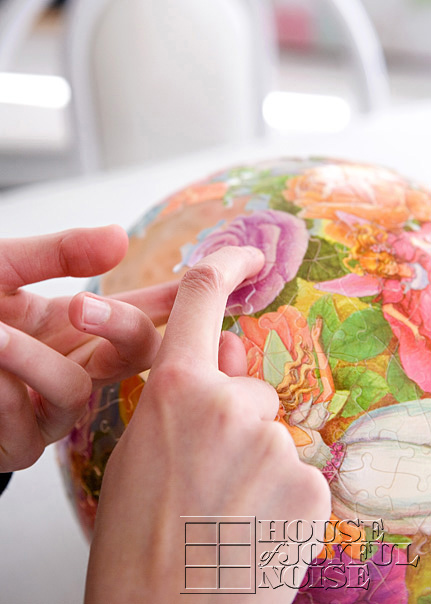
It really is a bit a tricky thing, to connect them just right too, as there is no table or hard surface, to press down on. Out girl found her technique though, and you would, too. In addition to the typical challenges of a puzzle, you don’t have a photo of the puzzle on all sides for this spherical one. Of course, you do have the numbers to help guide you somewhat. Still, it does take some focus and attention.
–
It’s a proven fact, that puzzles are good for one’s brain. EHow offers these facts about why puzzles are so good for your brain:
• The brain is a highly complex machine that constantly forms and reinforces connections between its 100 billion cells. Performing mental exercises, such as puzzles, can help form new connections and boost long-term mental performance.
–
Making Connections
• Connections between brain cells, and in turn the ability of each neuron to chemically signal the 10,000 or so other cells it connects with, are what form memories.
Strengthening Connections
• Memory retrieval and the ability to process new information is associated with brain health.
Puzzles can help with both of these important brain functions by strengthening the connections between brain cells.
–
Giving Your Brain a Work Out
• Just as you exercise to build and maintain muscle mass, you can also strengthen your brain by exercising it.
Engaging in problem solving exercises creates new connections in the brain while strengthening old ones.
–
Use It or Lose It, Baby!
• If you don’t give your brain a solid work out, your mental strength starts to deteriorate.
As you age, it is important to keep your brain fit through routine exercises.
–
Continued Importance Throughout Life
• According to one study in the Journal of the America Medical Association, elderly people who strengthened their synapses through ten sessions of brain-boosting exercises showed improvement in memory, reasoning skills and mental processing, “well beyond the specific skills the volunteers learned.”
–
So we can only assume, that puzzles are a great mental exercise, for our kids! Or anyone, at any age.
I’m thinking with all of benefits for our brain, I could really stand to join my kids doing a few puzzles, or 1,000, myself. Perhaps the younger kids start enjoying puzzles, the more their brains can benefit from them. I think I’ll be encouraging doing more puzzles for my own kids, as an activity for those rainy days, or an after-dinner wind down before they settle into bed for the night. I already know that they love to do crossword puzzles, and the more structural type. But we need more old fashioned puzzles to put together around here! What a great idea for Christmas present, come to think of it. And putting together puzzles can be a great family-time activity, as well!
Here are some more ways in which kids doing puzzles benefits their brains:
• Hand-Eye Coordination • Fine Motor Skills • Gross Motor Skills • Problem Solving
• Shape Recognition • Memory • Setting Small Goals
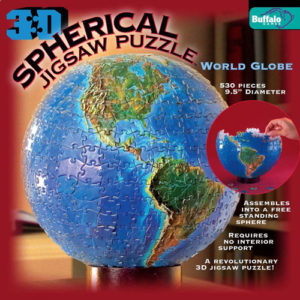
I haven’t been able to find this fairies design sphere puzzle online yet. But some of you homeschoolers may also love this other Esphera spherical puzzle (540 pieces) that is a world globe, which of course would not only be fun, but a great geography learning as well.
But if you and your family prefer traditional puzzles, they are just as fun, and of course give you all the benefits, too!
All in all, I think the likely perks of doing puzzles now and then, can be great for anyone. If nothing else, it’s a leisure and relaxing activity, that exercises patience and persistence as well. But as we all know now, there is so much more in it for all of us, than that!

Well there’s a little tidbit I didn’t know about you, Kim. Would you like to take this one home with you, to do yourself, when you come? You’re welcome to.
That is a beautiful puzzle. I LOVE puzzles SO much the only problem is once I start them I can’t stop and end up staying up all hours of the night.